
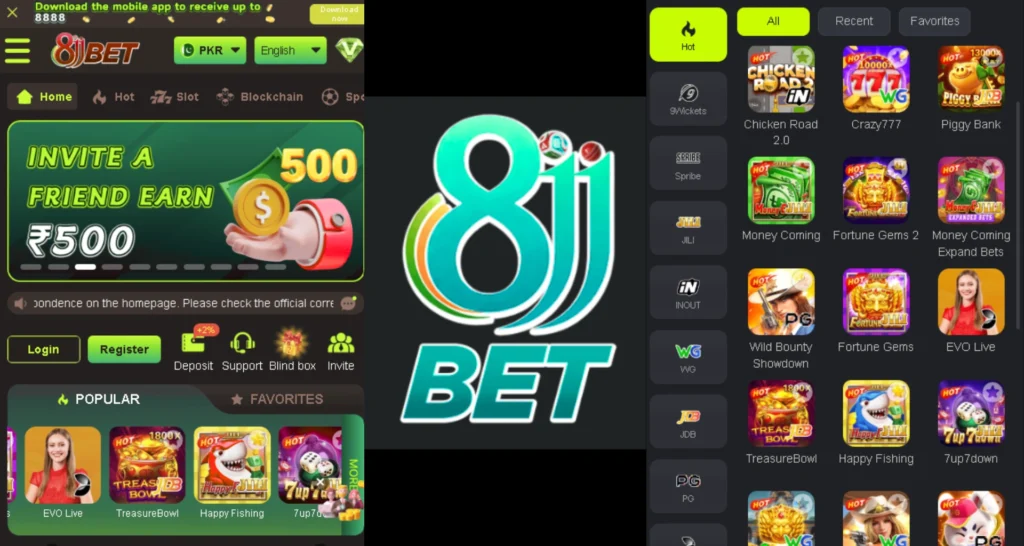
8JJ Bet is designed to support wagering activities on both mobile and desktop devices, with the same core goal: fast access to betting options. For users starting with a browser, the platform can be reached through 8jj bet india to view the available services. For those who want to open the betting area directly, the site also provides 8jj bet game as an entry point. The experience is shaped by how quickly pages load, how clearly the betting markets are presented, and how reliably actions respond to user input. This article reviews key elements of the mobile and desktop experience, focusing on usability and practical interaction patterns.
Access and navigation are central to the overall experience, especially when users switch between devices. On mobile, navigation typically relies on compact menus, clear buttons, and page layouts that fit smaller screens without forcing excessive scrolling. On desktop, navigation can use wider spacing and larger controls, which helps users scan categories and options more easily. Both interfaces aim to reduce the number of steps required to reach betting markets. Consistent layout logic across devices can help users recognize where common actions are located.
Mobile access usually begins with a responsive landing view that adapts to different screen sizes. Key sections such as account access, market browsing, and betting controls are arranged to minimize hidden content. The interface commonly prioritizes vertical flow, with sections appearing in a sequence that matches typical mobile browsing behavior. Users benefit from readable text and controls that remain reachable while holding the device. When pages are structured for touch interaction, taps and selections tend to feel direct and predictable.
On desktop, navigation often makes use of wider panels and clearer separation between categories. Users can typically view more content at once, which can reduce the need to switch pages frequently. Desktop layouts may support quicker market discovery by placing filters or category lists in stable positions. This can improve efficiency for users who compare multiple options before placing a bet. Desktop browsing also supports more precise cursor-based selection, which can be helpful when markets include many odds entries.
The betting interface determines how smoothly users can review options and place selections. A well-structured layout presents odds, selections, and event details in a way that supports quick confirmation. On mobile, controls are typically optimized for touch, with buttons sized to prevent mis-taps. On desktop, controls can be smaller while still remaining accessible due to mouse precision. Across both formats, the interface should aim to keep the essential information visible during the selection process.
Mobile displays need to balance dense information with legibility. The platform typically presents odds and selection details using clear typography and spacing, so users can interpret values without excessive zooming. Event information is usually grouped to reduce confusion between similar matches or markets. When users scroll, the interface should preserve context so that selected items remain easy to verify. If updates occur during browsing, the presentation should remain stable enough to avoid sudden reordering that could lead to mistakes.
On desktop, the selection workflow can be streamlined through visible lists and stable panels. Users may compare odds more comfortably because larger screens support wider tables and more columns. The process for choosing a selection is often supported by click targets that remain consistent across markets. Desktop users also benefit from keyboard and mouse navigation patterns, which can speed up selection when markets are numerous. After selecting, review steps should clearly confirm event names, market types, and the final odds shown for the bet.
Performance influences both confidence and convenience, particularly during high-traffic periods. Mobile networks can vary, so the platform experience depends on how efficiently pages load and how gracefully content renders. Desktop users typically enjoy more stable connectivity, but performance still matters for quick access to odds and updates. A responsive design can help prevent long blank screens and reduce interruptions during browsing. Reliability also includes how the site behaves during transitions such as switching markets or returning to the event list.
Mobile performance can be affected by signal strength and background activity on the device. The platform experience should therefore prioritize efficient requests and clear loading states. When a user opens a betting market, the interface should present key information quickly and continue loading secondary details in the background. If odds refresh frequently, the site needs to update values without disrupting the user’s current selection process. A stable interaction model helps users avoid accidental changes while they confirm their choices.
Desktop rendering benefits from larger processing capacity, which can make tables and lists feel smoother. The platform still needs to handle odds updates in a way that avoids flicker or layout shifts. Stable update behavior can help users keep track of the values they are evaluating. When a user navigates between categories, the experience should preserve context so they do not lose their position unnecessarily. Good stability also supports repeat actions, such as rechecking odds or adding another selection to the same slip.
Review and confirmation are essential because users need to verify details before finalizing bets. The bet slip typically acts as the central place where selections accumulate and where users can review odds and market names. On mobile, the bet slip should be easy to open and read, with controls that remain accessible without scrolling too far. On desktop, the bet slip can be displayed alongside browsing elements, supporting faster review. In both cases, clear confirmation steps help reduce errors and improve trust in the workflow.
Mobile users often rely on quick access to the bet slip during selection. The interface should allow users to add, remove, and verify selections with minimal taps. When edits are made, the displayed totals and odds should update immediately and accurately. The bet slip should show enough detail to confirm the event and market type without forcing users to return to the list. If restrictions apply, such as minimum stake information, they should appear clearly during the final review stage.
On desktop, the bet slip can support a more detailed review because of the available screen space. Users can typically confirm each selection with clearer event naming and market labels. The platform should show the final odds summary and any relevant calculations in a consistent location. If users add multiple selections, the interface should present the slip contents in a structured format that reduces confusion. Before submission, a final confirmation step should clearly indicate what is being placed and which values will apply.
Usability features help users understand what they are selecting and how their choices affect the bet. Clear market categorization can guide users to relevant options faster, especially when they have specific event types in mind. Consistent labeling and predictable placement of controls can reduce learning time for new visitors. On mobile and desktop, content presentation should prioritize legibility and straightforward scanning. Where applicable, visual organization should help users distinguish between different market types and selection statuses.
Market categories can be presented in a way that supports quick browsing without overwhelming users. On mobile, categories may be shown through expandable sections or simplified lists to fit the screen. On desktop, categories can be displayed more broadly, allowing users to compare market options at a glance. Consistent category naming helps users move between similar sections with less effort. When users can filter or narrow choices, the browsing experience can become more efficient and less time-consuming.
Consistent action behavior is important because users repeat tasks during a betting session. When a user clicks or taps a selection, the interface should provide immediate feedback such as highlighting the chosen item. After an action, the site should confirm the result so users know the bet slip has updated. If an action cannot be completed, the platform should communicate the reason clearly using visible messages. Feedback should appear in the same general area on both mobile and desktop to reduce confusion.
Security measures can affect how users experience the platform, particularly at the confirmation stage. A secure flow should help users feel confident that selections are recorded correctly. Authentication and session handling should work reliably on mobile and desktop without causing frequent re-prompts. The platform experience should also include clear submission confirmation so users can verify outcomes. When security processes are integrated into the interface design, they can reduce uncertainty during critical steps.
Users may browse on one device and later continue on another, so session reliability matters. The site should maintain session state in a way that supports continuity while still enforcing appropriate security checks. Mobile devices may suspend or close background tasks, which can impact session timing. Desktop sessions can remain active for longer, but the platform should still handle re-authentication gracefully if required. When device switching is handled smoothly, users experience fewer interruptions during the betting workflow.
After a user submits a bet, confirmation should be immediate and clearly visible. The confirmation screen or message should summarize key details such as selections and the final odds. Users should be able to return to the bet slip or history to verify what was placed. This verification step helps users feel confident that their actions were processed correctly. Clear confirmation also supports faster resolution if users notice an issue and need to review the details they selected.
The mobile and desktop experiences for 8JJ Bet share common goals: quick access, clear selection, and reliable confirmation. Mobile emphasizes touch-friendly controls, readable odds presentation, and efficient vertical navigation. Desktop emphasizes broader market visibility, stable layouts for comparison, and cursor-precise selection. Performance quality and update stability influence both interfaces, especially when odds refresh during active browsing. With consistent workflows and organized content, users can switch between mobile and desktop while maintaining the same overall betting process.


